
An overview of the evolving India-Niger bilateral economic cooperation and development partnerships.
Niger, a prominent West-African country bordered by Nigeria, Burkina Faso, Algeria, Chad, Mali, Benin and Libya, is gaining significant ground in the realms of India-Africa bilateral trade and investment flows. Niger draws its name from the third-longest river in Africa, the Niger that cuts a crescent-shape across West Africa, serving as a lifeline to the region’s agricultural sector. While agriculture serves as the backbone of India’s import engagement with Niger, the West African country boasts vast untapped potential in mining, industry, handicrafts, tourism, as well as its vast uranium reserves.
Growing Bilateral Trade
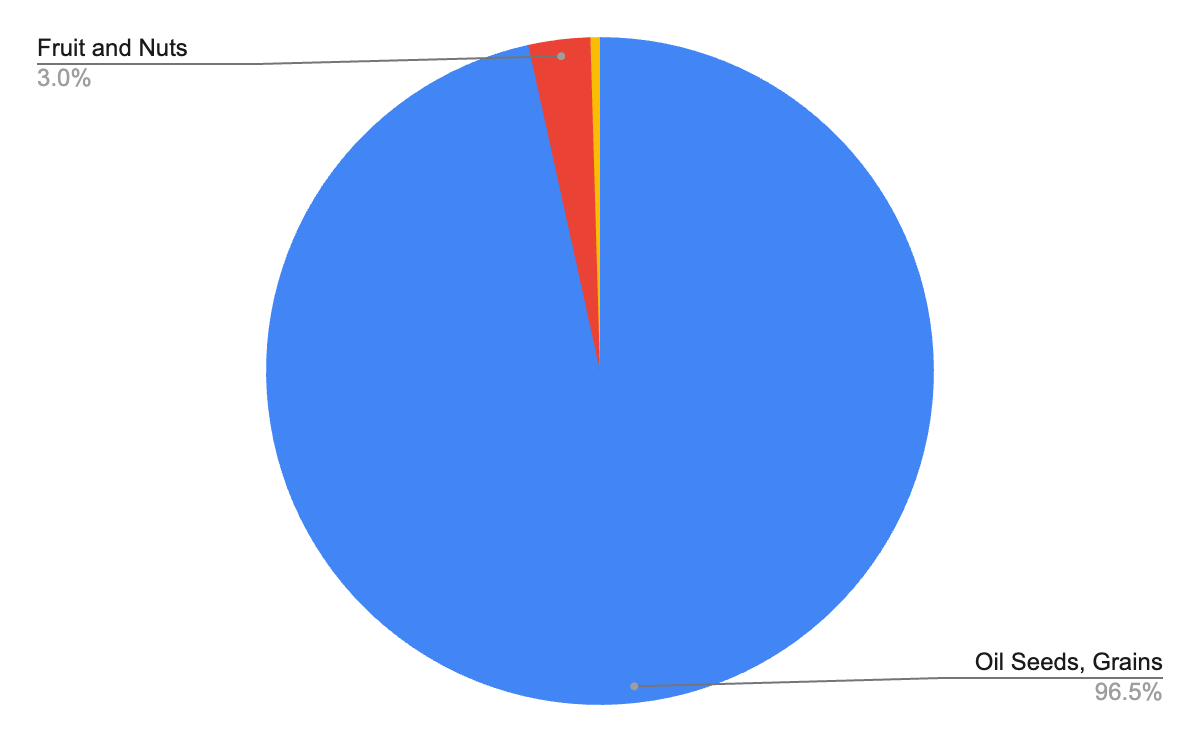
The growing India-Niger bilateral economic relations is marked by an uptick in the bilateral trade flows. To illustrate this, India’s total bilateral trade with Niger saw a 51% increase year-on-year at USD 159.39 million in 2025-26, with India’s imports from the West-African economy sharply rising. Agricultural products including oilseeds such as sesame, soybeans, lac, gum arabic and resin were India’s primary imports from Niger during this period, followed by edible fruits and nuts.
Fig 1: India’s Bilateral Trade with Niger during 2015/16 – 2025/26 (USD Million)
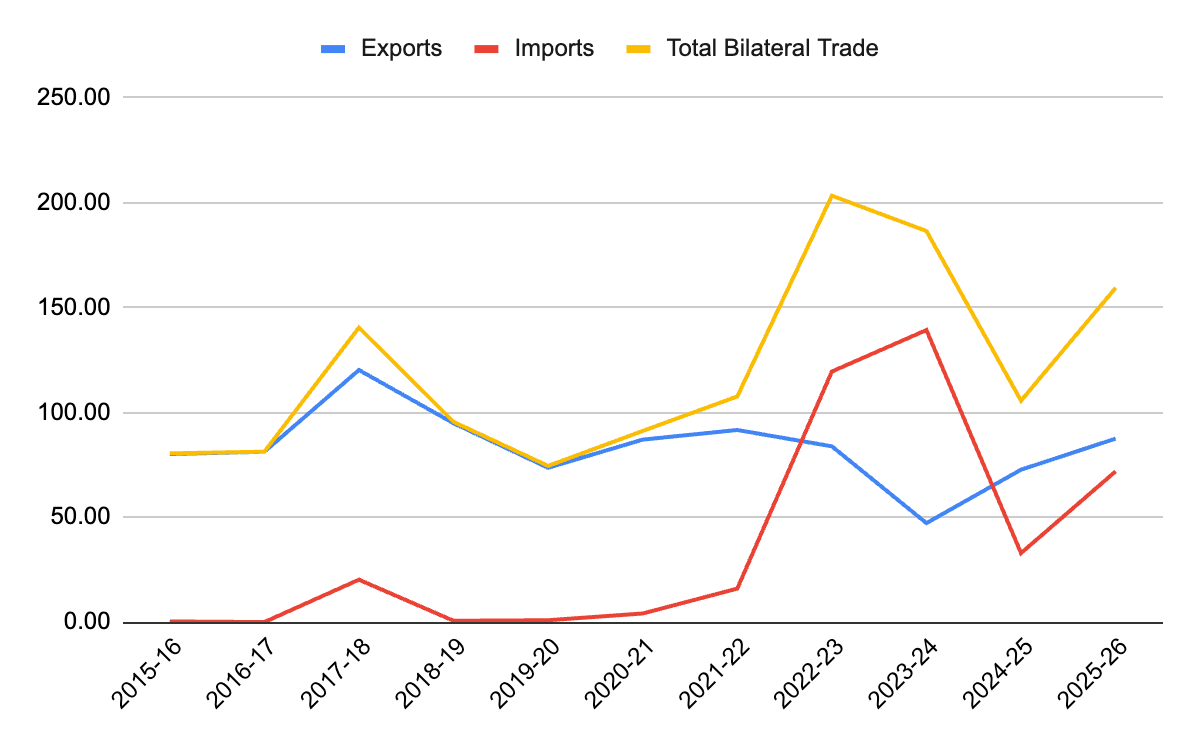
Table 1: India’s Bilateral Trade with Niger during 2015/16 – 2025/26 (USD Million)

India’s exports to Niger consisted primarily of pharmaceutical products, making up 74% of total exports to Niger, recording a 147% increase from the previous year as India seeks to cement its presence as a global pharmaceutical manufacturing hub.
Fig 2: India’s Exports to Niger in 2025-26
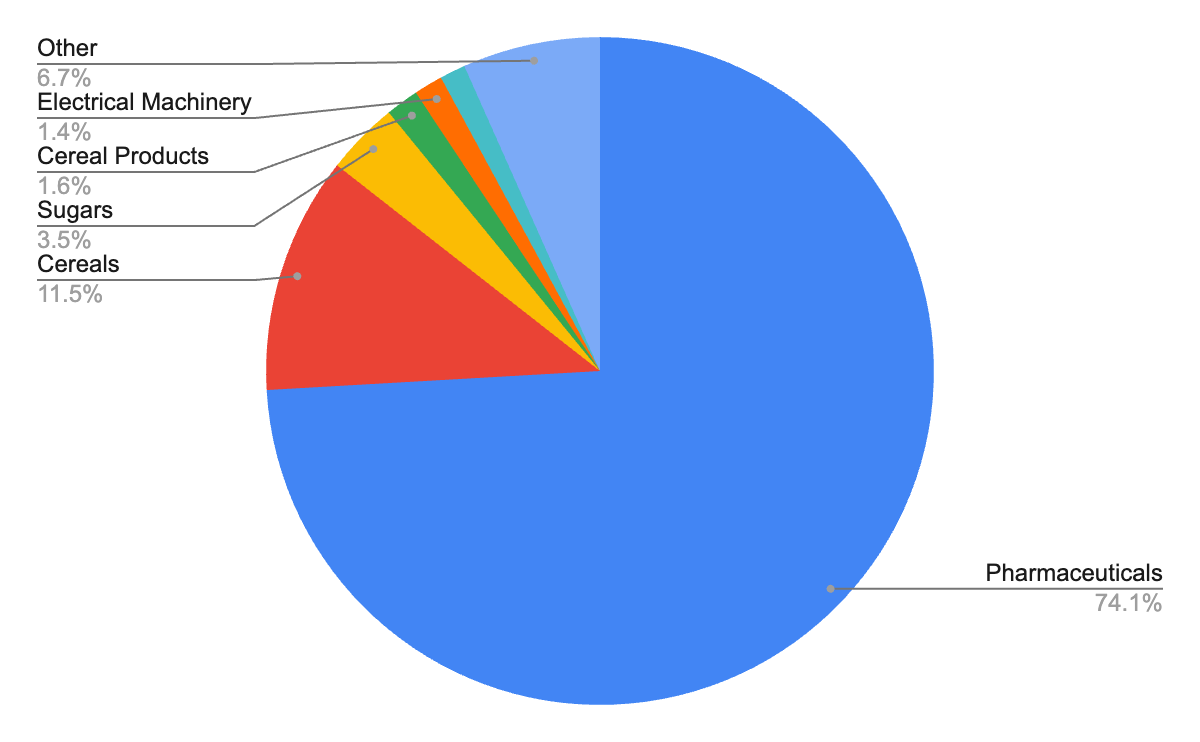
Fig 3: India’s Imports from Niger in 2025-26
It might be added that India’s DFTP scheme for LDCs has provided preferential market access to several African economies, with Niger joining the DFTP in 2017. However, its impact remains somewhat limited due to low export diversification and low awareness among African exporters. Strengthening utilisation through targeted outreach could significantly enhance its effectiveness. At the same time, the African Continental Free Trade Area (AfCFTA) reduces intra-African tariffs and harmonises trade rules, in a thrust to improve regional value chains and expand market access. For Indian firms, this means Niger can serve not only as a standalone market but also as a gateway into a much larger integrated African market as a base for export-oriented production.
The Case for Uranium Cooperation
In 2025, Government of India announced the country’s ambitious goal of generating 100GW nuclear energy by 2047, a clean and stable power source, to meet growing domestic energy. This is expected to meet 10% of India’s energy needs and contribute to the mission of achieving net-zero carbon emissions by 2070. India’s domestic uranium resources are limited, which leads to high extraction costs and persistent supply shortfalls. Between 2008 and 2025, India imported 18,800 Million Tonnes (MT) of uranium to power the country’s nuclear reactors.
In order to ensure supply chain resilience, India maintains a diverse mix of international suppliers, including Kazakhstan, Canada and Uzbekistan. Russia and Australia have been considered as future partners in the import of uranium. This sustained import requirement has opened up fruitful opportunities for private and international businesses in the sectors of long-term supply agreements and international trading, transport and logistics services for nuclear materials and collaborations with foreign technology providers.
Niger is one of the largest producers of uranium in the world, accounting for 5% of global uranium production. With more than 300,000 tonnes in uranium reserves, Niger is positioned to be a global supplier of the precious mineral resource, aiding major powers in their search for energy security. Most of Niger’s uranium deposits are suitable for open-pit mining and leaching, which keeps production costs low, thus fostering competitiveness on the global stage. All known deposits of uranium in Niger are concentrated in the Tim Mersoi basin, near Arlit and Akokan in the north.
Following political shifts, Niger’s government has revoked mining licences from major French and Canadian firms, pivoting away from the West and seeking partnerships with alternative international partners. For Indian firms, Niger’s uranium sector presents opportunities in mining, exploration, engineering services, infrastructure development, and long-term supply agreements. Beyond securing resources for India’s nuclear energy programme, engagement in the sector could facilitate broader participation in Niger’s extractive industries and related infrastructure projects, strengthening India’s economic presence in the region.
Where Heritage Meets Development
Aside from its mineral resources, Niger’s heritage has emerged as a key driver of development, presenting various opportunities for investment in the areas of tourism and handicrafts. Natural assets and historical landmarks make up Niger’s tourism offerings covering the areas of archaeology, history, traditional architecture, culture, parks and protected areas and fauna. Moreover, business tourism has led to new investments in hotels and restaurants, with the sector presenting significant investment opportunities.
Another major asset of Niger’s economic development is the country’s handicraft industry, mainly driven by the transformation of agro-pastoral products into national crafts. It employs around 900,000 people and is an important expression of national identity. Initiatives carried out at the institutional level by the Niger Government aim at promoting this sector, and in particular SMEs. Leather goods, fabric and embroidery, metal work and other traditional objects mark Nigerien craft traditions, reflecting the country’s rich national heritage and the upholding of creative traditions by its people.
Investing in Niger
Indian companies with investments in Niger include Airtel Cellular Services, which is the leading mobile service provider in Niger, Euroworld International, Contec Global, Diamond India, Satguru Travels, Shivam General Trading Company and Belvie Healthcare S.A. Investments cover the areas of hotel infrastructure, automotives, food and beverages and tourism. India has provided significant grant assistance to Niger for infrastructure and event hosting, including for the African Union Summit in 2019. Additional grants have covered humanitarian assistance, medicines, vaccines, and the purchase of computers and equipment. Bilateral lines of credit have been extended to Niger since 2006 for the procurement of agricultural vehicles, for improving infrastructure for electricity and for supplying potable water to rural areas.
Further avenues for Indian investment in Niger include agriculture and agro-processing, making efficient use of the country’s ~15 million hectares of cultivable land and 270,000 hectares of irrigable areas, notably across the Niger River, Irhazer, and Komadougou-Yobe valleys.
Huge potential exists in solar energy generation and hydropower plants along the Niger River basin, which features an estimated potential of 280 MW. Moreover, transport and infrastructure is a sector that provides opportunities for investment, as improving domestic and cross-border connectivity is a priority for the large, landlocked nation.
Keeping in view the expanding scope of India-Niger bilateral business partnerships, greater efforts may be directed toward:
Looking Ahead
- Enhancing awareness and utilisation of India’s DFTP Scheme among Niger’s exporters through targeted outreach and technical assistance, enabling greater access to the Indian market.
- Leveraging key opportunities within the ambit of the AfCFTA by encouraging Indian firms to establish export-oriented operations in Niger that can serve wider regional markets across Africa.
- Strengthening institutional partnerships between business associations, including the Chamber of Commerce and Industry of Niger (CCIN), Indian business institutions and trade promotion bodies, to facilitate business matchmaking, trade missions, and investment dialogues.
- Promoting joint ventures and value-added industries in sectors such as agriculture, mining, renewable energy, and handicrafts to move beyond raw material exports and create local employment.
- Expanded development finance and technology transfer initiatives to improve infrastructure, logistics, skills development, and the overall ease of doing business for investors from both countries.